
shell
ผู้เยี่ยมชม
benducket3211@gmail.com
Is Composite Wood Siding the Best Choice for Modern, Durable, and Stylish Home Exteriors? (16 อ่าน)
18 เม.ย 2569 01:28
Composite wood siding has become an increasingly popular choice in modern construction due to its ability to combine durability, aesthetic appeal, and sustainability in a single solution. Designed using a blend of wood fibers, recycled plastics, and binding agents, composite wood siding offers the natural look of timber while overcoming many of the limitations associated with traditional wood cladding. This innovative material is widely used for residential and commercial exteriors where long-term performance and visual consistency are essential.
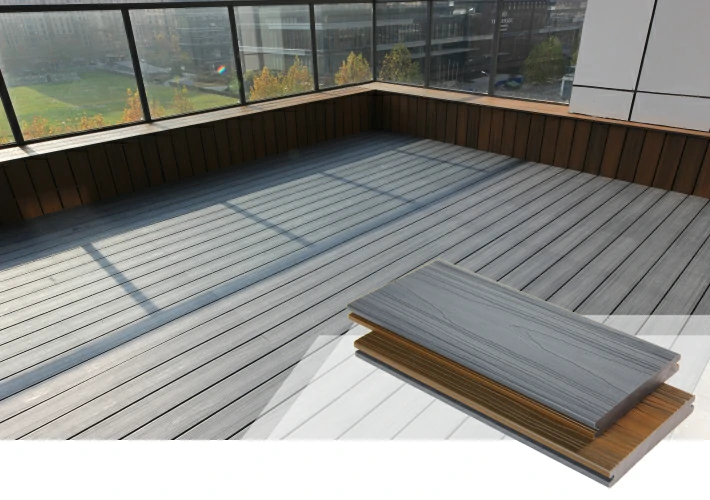
One of the most important advantages of composite wood siding is its ability to withstand environmental challenges. Traditional wood siding is often vulnerable to moisture, pests, and temperature fluctuations, which can lead to warping, cracking, and decay over time. In contrast, composite wood siding is engineered to resist these issues, making it a reliable option for long-lasting exterior protection. Its moisture-resistant properties help prevent water absorption, reducing the risk of mold growth and structural damage.
Another key feature of composite wood siding is its consistent appearance. Unlike natural wood, which may fade, stain, or require regular refinishing, composite materials are designed to maintain their color and texture for years. Advanced manufacturing processes create realistic wood grain finishes that closely resemble natural timber, allowing homeowners to achieve a high-end look without ongoing maintenance. This makes composite wood siding an attractive choice for those seeking both beauty and practicality in their exterior design.
Sustainability also plays a significant role in the growing demand for composite wood siding. Many products are made using recycled materials, reducing the need for new timber and minimizing environmental impact. This eco-friendly aspect aligns with modern construction trends that prioritize sustainable building solutions without compromising performance or aesthetics.
Composite Wood Siding Installation and Weather Resistance Strength
The installation of composite wood siding is designed to provide efficiency, durability, and a refined finish. Modern siding systems often feature interlocking panels or concealed fastening methods that create a seamless and clean exterior surface. This not only enhances the overall appearance of the building but also contributes to improved structural integrity.
Weather resistance is one of the most defining characteristics of composite wood siding. Exterior surfaces are constantly exposed to rain, humidity, sunlight, and temperature changes, all of which can affect traditional materials. Composite wood siding, however, is engineered to handle these conditions effectively. Its resistance to moisture helps prevent swelling, cracking, and decay, ensuring long-term reliability in various climates.
Ultraviolet resistance is another important feature that enhances the performance of composite wood siding. Prolonged exposure to sunlight can cause fading and discoloration in many exterior materials, but composite siding is designed to retain its color over time. This ensures that buildings maintain their visual appeal without the need for frequent repainting or refinishing.
Thermal stability is also a significant advantage. Composite wood siding does not expand or contract as much as natural wood when exposed to temperature fluctuations, helping maintain a consistent and secure fit. This stability reduces the likelihood of gaps, warping, or structural issues, making it a dependable choice for long-term use.
Composite Wood Siding Design Appeal and Long-Term Value
Composite wood siding offers exceptional design versatility, allowing homeowners and architects to create visually appealing exteriors that suit a wide range of architectural styles. Whether used in modern minimalist homes or traditional designs, composite wood siding can be adapted to achieve the desired aesthetic. Its ability to replicate natural wood textures while offering enhanced performance makes it a preferred choice for exterior cladding.
The availability of various colors, finishes, and panel styles further enhances its design flexibility. From warm natural tones to contemporary shades such as grey and charcoal,composite wood siding provides options that complement different design preferences. This allows for creative expression while maintaining a cohesive and polished exterior appearance.
In addition to its visual benefits, composite wood siding provides strong long-term value. Although the initial investment may be higher than traditional wood siding, the reduced maintenance costs and extended lifespan result in significant savings over time. Homeowners can avoid recurring expenses associated with painting, sealing, and repairing wood surfaces, making composite wood siding a cost-effective solution in the long run.
The impact on property value is another important consideration. A well-designed exterior using composite wood siding can enhance curb appeal and increase the overall attractiveness of a property. In competitive real estate markets, high-quality exterior finishes are often seen as a premium feature, making composite wood siding a valuable investment.
Composite Wood Siding Maintenance and Durability Performance
One of the most appealing aspects of composite wood siding is its low maintenance requirement. Unlike traditional wood siding, which requires regular upkeep to protect it from environmental damage, composite siding is designed for convenience. Occasional cleaning with water and mild detergent is typically sufficient to maintain its appearance, allowing homeowners to enjoy a clean and attractive exterior with minimal effort.
Durability is a defining feature of composite wood siding. It is resistant to common issues such as insect damage, rot, and cracking, ensuring a long-lasting and reliable exterior surface. This makes it particularly suitable for regions with challenging weather conditions, where traditional materials may struggle to perform effectively.
Composite wood siding also maintains its structural integrity over time, even with continuous exposure to outdoor elements. Its ability to resist wear and maintain a consistent appearance makes it an ideal choice for both residential and commercial applications. This reliability ensures that buildings remain protected and visually appealing for many years.
Another advantage is its resistance to stains and environmental pollutants. Exterior surfaces are often exposed to dirt, dust, and other contaminants, but composite wood siding is designed to withstand these elements without permanent damage. This enhances its practicality and contributes to a cleaner and more polished exterior look.
Conclusion
Composite wood siding has emerged as a modern and reliable solution for exterior construction, offering a combination of durability, aesthetic appeal, and low maintenance. Its resistance to weather damage, ability to retain color, and long-lasting performance make it a superior alternative to traditional wood siding. With versatile design options, eco-friendly materials, and strong long-term value, composite wood siding continues to redefine exterior cladding standards. For homeowners seeking a stylish and durable exterior solution, composite wood siding provides a perfect balance of functionality and elegance, making it a smart investment for the future.
43.242.177.48
shell
ผู้เยี่ยมชม
benducket3211@gmail.com