
accessori medievali
ผู้เยี่ยมชม
rizwanrajputthakur@gmail.com
Clothing in the Middle Ages: More Than Just Fabric (40 อ่าน)
20 เม.ย 2569 05:08
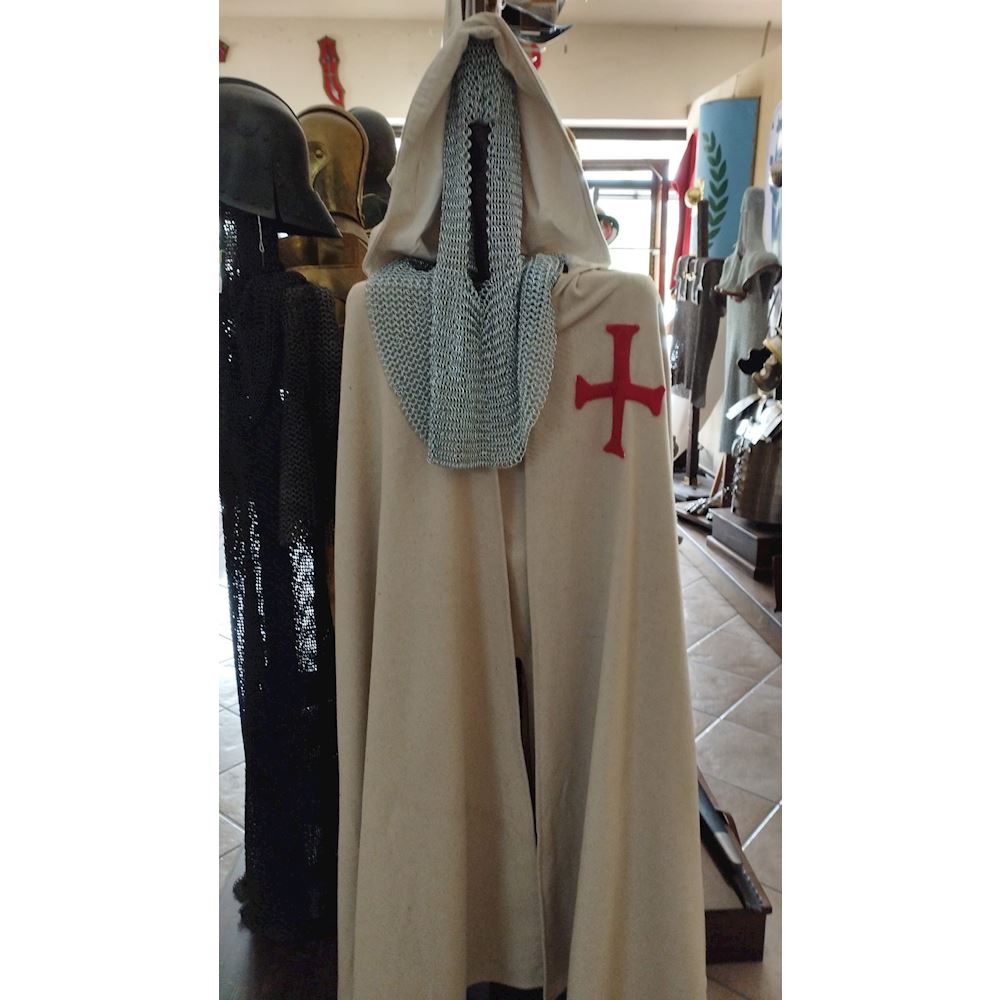
The Middle Ages, often called the medieval period, lasted roughly from the 5th to the late 15th century and was a time of major social, political, and cultural change in Europe. One of the most interesting aspects of this era is medieval clothing, which reflected a person’s social status, occupation, and wealth. Clothing was not just about style but also about identity, class distinction, and practicality in everyday life.
During the early Middle Ages, clothing was relatively simple and practical. Most people wore tunics made from wool or linen, as these materials were widely available and affordable. Men typically wore long tunics with belts, while women wore longer dresses with simple cuts. Layers were important because they provided warmth in colder climates, and cloaks or accessori medievali were commonly used as outer garments.
As the Middle Ages progressed, especially during the High and Late Medieval periods, clothing became more elaborate and decorative, particularly among the nobility. Wealthy individuals wore garments made from silk, velvet, and fine wool, often dyed in rich colors such as deep red, blue, and purple. These colors were expensive to produce, making them a clear sign of wealth and high social rank. Embroidery, fur lining, and intricate patterns became popular among the upper classes.
Medieval clothing also played a strong role in showing social hierarchy. Laws known as “sumptuary laws” were introduced in some regions to regulate what people could wear based on their class. For example, only nobles were allowed to wear certain fabrics or luxurious trims. Meanwhile, peasants continued to wear simple, durable clothing suited for farming and manual labor, often in natural, undyed tones like brown and gray.
In conclusion, medieval clothing in the Middle Ages was much more than a basic necessity—it was a reflection of society itself. From simple tunics worn by peasants to luxurious gowns and robes worn by royalty, clothing highlighted differences in wealth, status, and lifestyle. Today, medieval fashion continues to inspire historical reenactments, films, and cultural studies, helping us better understand the daily lives of people in that fascinating era.
122.129.65.152
accessori medievali
ผู้เยี่ยมชม
rizwanrajputthakur@gmail.com