
dajimoD
ผู้เยี่ยมชม
superdia11001@gmail.com
What Is Suede Leather? A Complete Guide for UK Buyers (12 อ่าน)
23 ต.ค. 2569 00:09
What Is Suede Leather? A Complete Guide for UK Buyers
Suede leather is known for its soft texture, distinctive surface and understated appearance. Unlike smooth leather, suede has a brushed, napped finish that gives it a different look and feel. It is commonly used in jackets, shoes, boots, handbags and other fashion accessories.
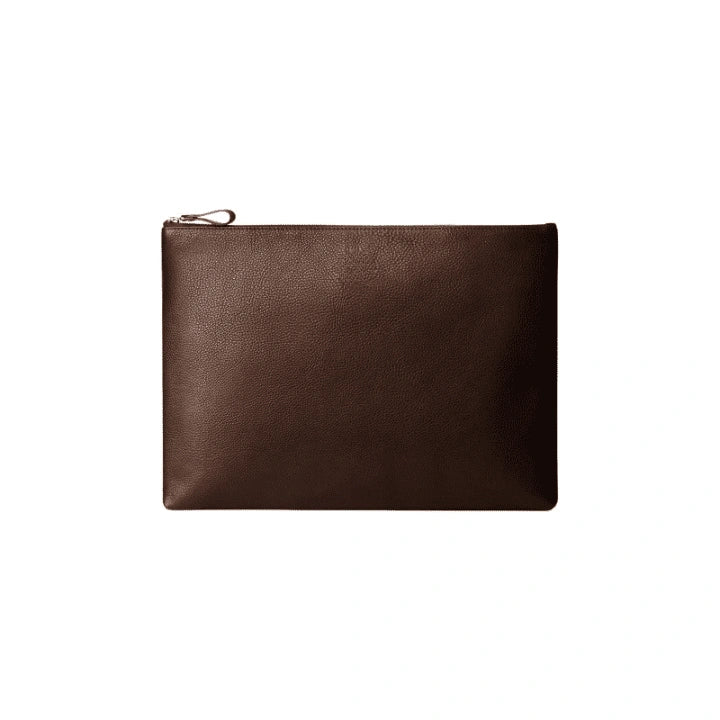
For UK buyers, suede leather can be an attractive choice for casual outfits, smart-casual occasions and seasonal outerwear. However, its surface requires appropriate care, particularly in damp weather. Understanding how suede is made, how it differs from smooth leather and how to maintain it can help buyers choose the right product.
This guide explains what suede leather is, how it is manufactured, its advantages and disadvantages, how it compares with other leather types and what to consider before purchasing a suede jacket in the UK.
What Is Suede Leather?
Suede is a type of leather recognised by its soft, napped surface. The nap consists of fine fibres that create a slightly fuzzy texture rather than the smoother grain surface associated with conventional finished leather.
Suede is commonly made from the flesh side of a hide or from a split layer beneath the outer grain. The precise construction depends on the material and manufacturing method Levant Leather.
Different animal hides can be used to produce suede, including cowhide, goatskin, sheepskin and lambskin.
The finished material can vary in thickness, softness, flexibility and durability depending on the hide, tanning process and finishing techniques.
Suede is frequently used for:
Leather jackets
Boots and shoes
Handbags
Gloves
Belts and accessories
Upholstery and decorative products
Its distinctive texture makes it particularly popular in fashion products where appearance and tactile qualities are important.
How Is Suede Leather Made?
Suede production involves preparing and tanning animal hide, followed by finishing processes that create its characteristic napped surface.
A simplified process is:
Raw hide or skin → preparation → tanning → splitting where required → surface buffing or raising → dyeing and finishing → quality inspection
The exact sequence varies according to the type of hide and the desired final product.
1. Hide Selection
The starting material influences the finished suede's softness, thickness and overall appearance.
Different hides produce different textures. For example, suede made from lambskin may feel different from suede made from thicker cowhide.
2. Preparation and Tanning
The hide is cleaned and prepared before tanning.
Tanning stabilises the material and makes it suitable for manufacturing. Chrome tanning and vegetable tanning are established methods used for different leather applications, although the choice depends on the intended material and production requirements.
3. Splitting Where Necessary
Some suede is produced from the split layer beneath the grain surface.
Splitting separates a hide into layers of different thicknesses. The resulting material can then be processed to create the desired suede texture.
Not every suede product is made using the same part of the hide, so material descriptions should be checked carefully.
4. Creating the Napped Surface
The surface is mechanically buffed or otherwise treated to raise fine fibres.
This creates suede's characteristic soft, velvety texture.
The degree of surface treatment influences the appearance and feel of the finished material.
5. Dyeing and Finishing
Suede can be produced in a wide range of colours, from traditional brown, tan and black to brighter fashion shades.
Finishing treatments can influence colour consistency, softness and the material's response to moisture and everyday use.
6. Quality Inspection
The finished suede may be inspected for colour, texture, thickness and surface consistency.
Manufacturers then select suitable material for the intended product, such as jackets, footwear or accessories.
What Makes Suede Leather Different from Smooth Leather?
The main difference is the surface texture.
Smooth leather typically retains or presents a relatively smooth grain-side finish. Suede has a napped surface that creates a softer, more textured appearance.
Feature Suede Leather Smooth Leather
Surface Soft, brushed nap Relatively smooth finish
Appearance Matte and textured Can range from matte to glossy
Feel Velvety or fuzzy Varies by finish and thickness
Water sensitivity Often vulnerable to visible water marks Depends on finish and treatment
Cleaning Usually needs suede-specific tools and products Requires products suitable for its finish
Common applications Jackets, boots and accessories Jackets, bags, footwear and many other products
Ageing Nap and colour may change with wear May develop patina depending on finish
Neither material is automatically better. The right choice depends on personal style, intended use and willingness to follow the appropriate care routine.
Is Suede Real Leather?
Yes. Traditional suede is genuine animal leather that has been processed to create a napped surface.
However, the word “suede” can also appear in descriptions of synthetic materials designed to imitate its texture.
For online purchases, check whether the product is described as genuine suede leather, faux suede or a synthetic alternative.
A material's appearance alone does not reliably establish its composition because modern synthetic fabrics can closely imitate suede.
What Is the Difference Between Suede and Nubuck?
Suede and nubuck both have textured surfaces, but they are generally produced using different parts of the hide or different surface treatments.
Suede is commonly associated with the flesh side or split layer of a hide. Nubuck is usually made by lightly buffing the grain side to create a fine, velvety nap.
Feature Suede Nubuck
Typical surface Flesh side or split layer Lightly buffed grain side
Texture Soft, often more visibly fuzzy Fine, velvety nap
Appearance Matte and textured Fine-grained and velvety
Construction Depends on the hide and layer used Retains the grain layer beneath the buffed surface
Care Requires material-specific products Requires material-specific products
Both materials can be affected by stains, friction and moisture. Their performance depends on the hide, finish and protective treatments.
What Are the Advantages of Suede Leather?
Suede offers several characteristics that appeal to fashion-conscious buyers.
1. Soft Texture
Suede's napped surface creates a soft feel that differs from smooth leather.
This texture can add visual interest to jackets and accessories without requiring bold colours or decorative details.
2. Distinctive Appearance
The matte finish gives suede a more understated look than many polished leather surfaces.
It works well with casual and smart-casual clothing, particularly in neutral colours such as tan, brown, navy and black.
3. Styling Versatility
A suede jacket can be paired with jeans, chinos, knitwear, shirts and other everyday clothing.
Its appearance can suit relaxed outfits as well as more refined combinations.
4. Range of Colours
Suede can be dyed in numerous colours.
Traditional earth tones are popular because they complement a wide range of clothing, while brighter shades provide more distinctive styling options.
5. Different Material Options
Suede can be produced from different animal hides, allowing manufacturers to create materials with varying weights, textures and flexibility.
The most suitable option depends on the design and intended use.
What Are the Disadvantages of Suede Leather?
Suede's distinctive surface also creates some maintenance challenges.
1. Sensitivity to Water Marks
Moisture can change the appearance of suede, particularly if water dries unevenly.
The level of sensitivity depends on the material and any protective treatment.
2. Susceptibility to Staining
The napped surface can trap dust and may be difficult to clean when exposed to grease, ink or other stubborn substances.
Some stains require professional treatment.
3. Surface Wear
Repeated friction can flatten the nap or change the appearance of high-contact areas, such as cuffs, elbows and pockets.
Regular gentle brushing may help maintain the texture.
4. Specific Cleaning Requirements
Suede generally should not be treated like conventional smooth leather.
Some creams, oils and waxes can change its texture or darken the surface. Use products designed specifically for suede.
5. Not Automatically Waterproof
Suede should not be assumed to be waterproof.
Protective sprays may help with certain materials, but their suitability depends on the manufacturer's guidance and the product formulation.
Is Suede Leather Durable?
Suede can be durable when it is made well and used appropriately.
Its performance depends on several factors:
Type and quality of the hide
Thickness and construction
Tanning process
Surface finishing
Stitching and garment design
Frequency of use
Exposure to water, dirt and abrasion
Maintenance and storage
Some suede products are designed for regular wear, while others have delicate finishes intended primarily for fashion use.
It is therefore important to assess the complete garment rather than assuming that every suede item has the same lifespan.
Is Suede Suitable for the UK Climate?
Suede can be suitable for UK buyers, but weather conditions should influence the choice of jacket and how it is maintained.
Spring and Autumn
Suede jackets can work well during milder conditions when the weather is relatively dry.
They can be layered over shirts or lightweight knitwear, depending on the garment's fit and construction.
Summer Evenings
A lightweight suede jacket may be useful on cooler evenings.
The jacket's lining and thickness influence comfort, particularly when temperatures fluctuate.
Winter
For winter wear, consider the jacket's insulation, lining and available room for layers.
Suede alone does not guarantee warmth, and a lightweight jacket may not be suitable for very cold conditions.
Rainy Weather
Frequent rain requires additional consideration.
Suede can develop visible water marks or changes in texture when wet. If you expect to wear a jacket regularly in wet weather, review the manufacturer's moisture guidance and consider whether another material would better suit your needs.
How to Protect a Suede Leather Jacket from Rain
Although some suede products can be treated with suitable protective products, no spray should automatically be assumed to make the jacket waterproof.
Choose an Appropriate Protector
Use only a product intended for the specific suede material.
Check the manufacturer's recommendations and test the product on a discreet area if permitted.
Apply It Correctly
Follow the product instructions regarding application, ventilation and drying time.
Applying too much product or using an incompatible treatment can alter the colour or texture.
Avoid Wearing Suede in Heavy Rain
If the weather forecast suggests prolonged heavy rain, consider wearing a more suitable outer layer.
This is particularly sensible for suede jackets with delicate finishes or no stated moisture protection.
Dry Wet Suede Carefully
If the jacket gets wet, gently blot excess moisture with a clean cloth.
Allow it to dry naturally away from direct heat and sunlight. Once dry, a suitable suede brush may help restore the nap.
For substantial water damage, consult a professional cleaner.
How to Clean a Suede Leather Jacket
Suede requires a gentler and more specialised approach than many smooth leather products.
Step 1: Check the Care Instructions
Read the manufacturer's recommendations before cleaning.
Some suede finishes may require specialist treatment, and not every cleaning product is suitable for every material.
Step 2: Brush Away Loose Dirt
Use a clean suede brush to remove surface dust and light dirt.
Brush gently and avoid excessive pressure, which can alter the nap.
Step 3: Treat Minor Marks Carefully
A suede cleaning block or another suitable product may help with certain dry marks.
Follow the product instructions and test it on an inconspicuous area first.
Step 4: Avoid Household Cleaning Chemicals
Do not automatically use soap, detergent, bleach or solvent-based products.
These may change the colour or damage the surface.
Step 5: Seek Professional Help for Stubborn Stains
Grease, ink, extensive water marks and deep stains can be difficult to remove at home.
A specialist suede cleaner can advise on the appropriate treatment and its limitations.
Can You Use Leather Conditioner on Suede?
Not every leather conditioner is suitable for suede.
Many conditioners are designed for smooth leather and can leave suede darker, greasy or less textured.
Use only products explicitly intended for suede and follow the manufacturer's instructions.
For routine maintenance, gentle brushing and appropriate storage may be sufficient, depending on the material and its condition.
How to Store a Suede Jacket Properly
Good storage helps preserve the texture and shape of suede.
Use a Suitable Hanger
Choose a sturdy hanger that supports the shoulders and helps maintain the garment's shape.
Avoid folding the jacket unnecessarily for long periods.
Keep It Dry
Store suede in a cool, dry and ventilated location.
Avoid damp cupboards, where moisture can contribute to mould or unpleasant odours.
Allow Space for Ventilation
Do not compress the jacket tightly between other garments.
A breathable garment cover may be appropriate if recommended by the manufacturer.
Avoid Direct Sunlight
Prolonged exposure to strong sunlight may fade some suede colours.
Choose a storage area away from direct heat and intense light.
Brush Before Storage When Needed
If the jacket has accumulated dust, gently brush it with a suitable suede brush before putting it away.
Make sure the garment is completely dry.
How to Style a Suede Leather Jacket
Suede's soft texture makes it a versatile choice for several clothing styles.
Casual Everyday Style
Pair a tan suede jacket with dark jeans, a plain T-shirt and trainers for a relaxed appearance.
The contrast between the textured jacket and simple clothing creates a balanced outfit.
Smart-Casual Outfits
A dark brown or navy suede jacket can work with chinos, a button-down shirt and clean footwear.
Choose a streamlined design if you prefer a more understated look.
Minimalist Styling
Neutral-coloured suede can complement simple outfits built around black, white, grey and navy.
This approach allows
122.129.65.59
dajimoD
ผู้เยี่ยมชม
superdia11001@gmail.com