
shell
ผู้เยี่ยมชม
benducket3211@gmail.com
Is Composite Wood Siding the Best Modern Choice for Durable and Stylish Home Exteriors? (18 อ่าน)
27 เม.ย 2569 00:34
Composite wood siding has emerged as one of the most innovative and practical solutions in modern exterior building design. It is a type of engineered cladding material made from a combination of wood fibers, recycled plastics, and bonding agents, designed to replicate the natural beauty of traditional timber while offering significantly improved durability and performance. This material is commonly referred to as wood plastic composite siding or engineered wood siding, and it is increasingly being used in residential and commercial construction projects.
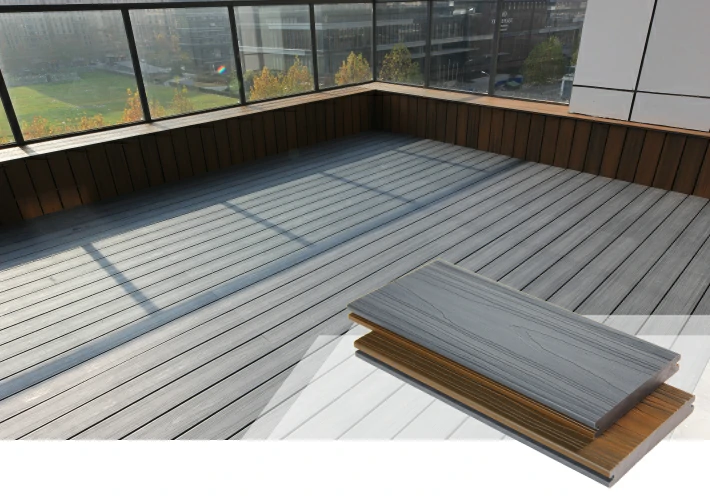
The growing popularity of composite wood siding is largely due to its ability to combine aesthetic appeal with structural resilience. Traditional wood siding has long been valued for its natural appearance and warmth, but it comes with challenges such as rot, warping, insect damage, and frequent maintenance requirements. Composite wood siding addresses these issues by providing a more stable and weather-resistant alternative that maintains its appearance over time with minimal upkeep.
One of the most appealing aspects of composite wood siding is its design versatility. Manufacturers produce a wide variety of finishes that replicate the texture and grain of real wood, while also offering modern color options that suit contemporary architecture. Whether used in rustic-style homes, modern villas, or commercial buildings, composite siding provides a refined and consistent exterior appearance that enhances curb appeal.
How Does Composite Wood Siding Improve Durability and Weather Resistance?
Composite wood siding is engineered specifically to withstand harsh environmental conditions, making it one of the most durable exterior cladding materials available today. Unlike traditional wood, which absorbs moisture and is prone to swelling, cracking, and decay, composite siding is designed to resist water penetration. This moisture resistance significantly reduces the risk of rot and structural damage, especially in areas with high rainfall or humidity.
Another major advantage of composite wood siding is its resistance to temperature fluctuations. In many regions, exterior building materials are exposed to extreme heat during summer and freezing conditions during winter. These temperature changes often cause natural wood to expand and contract, leading to structural instability over time. Composite siding, however, maintains dimensional stability, ensuring that the exterior remains intact and visually consistent throughout seasonal changes.
UV resistance is also a critical performance feature of composite wood siding. Continuous exposure to sunlight can cause traditional wood siding to fade, discolor, and lose its original appeal. High-quality composite siding materials are engineered with UV protection that helps preserve their color and finish for many years. This reduces the need for repainting or refinishing, making it a low-maintenance exterior solution.
Composite wood siding also offers excellent resistance to pests and biological degradation. Termites, carpenter ants, and fungal growth are common issues in natural wood siding, particularly in warm and humid climates. Since composite materials are not entirely organic, they do not attract insects in the same way as traditional wood. This enhances the longevity of the exterior structure and reduces the need for chemical treatments.
Another important benefit is fire resistance in many composite wood siding products. While not completely fireproof, many engineered siding materials are designed to be more resistant to ignition compared to untreated wood. This added safety feature makes composite siding a preferred choice in areas where building safety regulations are strict or where wildfire risk is a concern.
Where Is Composite Wood Siding Commonly Used in Construction?
Composite wood siding is widely used in both residential and commercial construction due to its versatility, durability, and aesthetic appeal. In residential buildings, it is commonly installed on exterior walls of houses, townhomes, cottages, and modern villas. Homeowners choose composite siding because it provides the natural look of wood while eliminating the need for constant maintenance, making it ideal for long-term home exterior solutions.
In modern home design, composite wood siding is often used to create visually striking façades that combine different textures and materials. It pairs well with stone, glass, and metal elements, allowing architects to design unique and contemporary exterior styles. This flexibility makes it a popular choice in both new construction and renovation projects where improving curb appeal is a priority.
Commercial buildings also benefit greatly from composite wood siding. Offices, retail stores, hotels, and mixed-use developments use this material to create professional and attractive exterior appearances. In commercial settings, durability is essential due to high exposure to environmental factors and long-term use. Composite siding provides a cost-effective solution that maintains its appearance and structural integrity over time.
Another important application of composite wood siding is in coastal and high-moisture regions. Buildings located near oceans or areas with high humidity often face challenges such as salt exposure and rapid material deterioration. Composite siding performs well in these environments because it resists moisture absorption and does not easily degrade under harsh conditions.
In addition, composite wood siding is increasingly used in eco-friendly and sustainable construction projects. Many manufacturers use recycled materials in production, making it a more environmentally responsible choice compared to traditional hardwood siding. This aligns with modern green building standards and supports sustainable development practices.
Is Composite Wood Siding a Cost-Effective and Sustainable Building Option?
Composite wood siding is widely recognized as a cost-effective investment when evaluated over its full lifecycle. Although the initial installation cost may be higher than conventional wood siding, the long-term savings in maintenance, repairs, and replacements make it a financially smart choice. Homeowners and building managers do not need to spend regularly on painting, sealing, or treating the surface, which significantly reduces ongoing expenses.
From a sustainability perspective, composite wood siding offers clear environmental advantages. Many products are manufactured using recycled plastics and reclaimed wood fibers, reducing the demand for virgin timber and helping minimize environmental impact. This makes it a more sustainable alternative in the construction industry, especially as demand for eco-friendly building materials continues to grow.
The extended lifespan of composite siding also contributes to its environmental benefits. Because it does not require frequent replacement, it reduces material waste and supports long-term resource efficiency. This durability aligns with modern sustainable architecture principles, which emphasize reducing environmental footprint while maintaining high performance.
Conclusion: Why Composite Wood Siding Continues to Shape Modern Exterior Design
Composite wood siding has become a leading solution in modern exterior construction due to its exceptional balance of durability, aesthetics, and sustainability. It successfully replicates the natural beauty of wood while eliminating many of its traditional weaknesses, making it a reliable choice for long-term building performance.
Its resistance to moisture, pests, UV exposure, and temperature changes ensures that buildings maintain their structural integrity and visual appeal for years. Whether used in residential homes, commercial properties, or eco-friendly developments, composite wood siding provides a versatile and low-maintenance exterior solution.
43.242.176.223
shell
ผู้เยี่ยมชม
benducket3211@gmail.com