
EWRWE
ผู้เยี่ยมชม
larryalex249@gmail.com
Famous Styles and Techniques in Persian Art (9 อ่าน)
24 พ.ค. 2569 01:18
Persian art has among the list of richest and a lot continuous histories across the world, shaped by many thousands of years of cultural development, empire building, religious transformation, and cross-cultural exchange. From ancient rock carvings and palace reliefs to intricate miniature paintings and modern interpretations, it represents a deep visual language that reflects the identity, beliefs, and imagination of Persian civilization. Persian art is absolutely not limited to a medium; instead, it provides architecture, calligraphy, textiles, ceramics, metalwork, painting, and garden design, which developed unique characteristics and a shared aesthetic spirit.
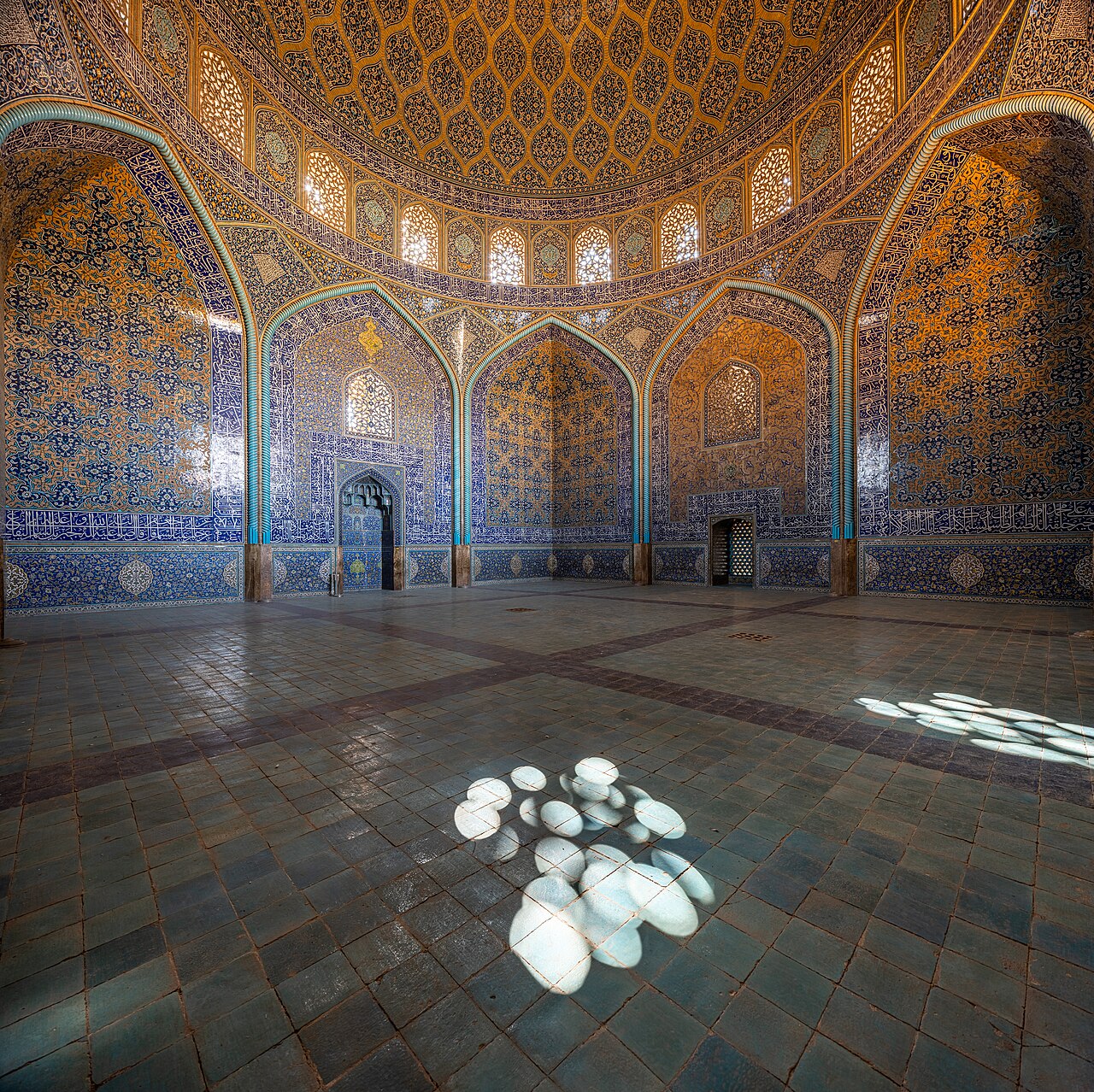 One of the more defining features of Persian artistic tradition is its emphasis on detailed ornamentation and symbolic meaning. Unlike purely realistic artistic representations, Persian artists often concentrated on stylization, pattern repetition, and spiritual expression. This are visible the famous tile work of mosques, where geometric patterns and floral motifs create a sense infinite space. These designs commonly are not random decorations; they frequently symbolize the harmony of the universe and the bond between physical and spiritual worlds. The application of symmetry and repeating patterns became a visual language that influenced don't merely Iran but more regions across Central Asia, the Middle East, and South Asia.
In medieval times, particularly throughout the Achaemenid Empire, Persian art was heavily influenced by imperial power and diversity. Sculptures and reliefs from Persepolis, to illustrate, depict processions of people from different nations bringing tribute in to the king. These works highlight both political structure and then the multicultural nature of this empire. Even within these early forms, Persian artists demonstrated an extraordinary ability to combine realism with idealism, presenting human figures within the stylized yet recognizable manner. The grandeur of imperial architecture, with their massive columns and carved staircases, shows how art applied as a device of authority and cultural identity.
With the arrival of Islam in Persia, artistic expression underwent a main transformation. Figurative representation in religious contexts became limited, which concluded in the rise of calligraphy among the highest different art. Persian calligraphers elevated writing to a visual art, where the shape and flow of letters became as essential as their meaning. Scripts which includes Nastaliq are generally considered the most elegant writing systems ever created. Manuscripts produced in those times were richly illustrated, especially in literary works for instance the Shahnameh, where miniature paintings brought epic stories one's with vibrant colors and intricate details.
Persian miniature painting is yet another remarkable contribution to global art history. These small, highly detailed paintings were often familiar with illustrate manuscripts and were seen as a flat perspectives, bright colors, and complex compositions. As an alternative to specializing in realistic depth, artists emphasized narrative clarity and decorative beauty. Scenes from poetry, history, and mythology were depicted in a manner that invited viewers to explore every detail carefully. The precision and patience meant for miniature painting reflect the advanced level of artistic discipline in Persian culture.
Architecture also plays a central role in Persian artistic heritage. From ancient palaces to Islamic-era mosques and gardens, Persian architecture is known for its harmony, proportion, and aesthetic refinement. One of its most iconic features would be the Persian garden design, which represents paradise on earth. These gardens usually are put into quadrants with water channels, symbolizing order and life. Structures that include domes, iwans, and intricate tile-covered facades further demonstrate the sophistication of Persian architectural design. The usage of light, color, and space creates environments that are both visually stunning and spiritually uplifting.
Textile and carpet weaving can be essential elements of Persian art. Persian carpets, defined, are world-renowned regarding their craftsmanship, complex patterns, and symbolic meanings. Each region developed a unique distinctive styles, often incorporating floral designs, medallions, and intricate borders. These carpets commonly are not merely decorative objects; they represent cultural identity, storytelling, and centuries-old weaving traditions passed on through generations. The whole process of making your single carpet usually takes months or even years, highlighting the dedication and skill of artisans.
In your modern era, Persian art continues to evolve and its traditional roots. Contemporary Iranian artists often blend classical techniques with modern themes, addressing issues like identity, social change, and globalization. This fusion of old and new creates a dynamic artistic landscape that keeps Persian visual culture relevant in the current world. Exhibitions throughout the world showcase both historical masterpieces and modern interpretations, demonstrating the world appreciation just for this artistic tradition.
Throughout its long history, Persian art has always been a robust expression of cultural continuity and creativity. Whether through ancient carvings, delicate manuscripts, grand architecture, or contemporary paintings, it reflects a deep connection between beauty, meaning, and identity. The phrase Persian art is usually a keyword understand besides the artistic achievements of one's civilization as well as its philosophy, spirituality, and worldview. It can serve as a bridge between past and present, showing how creativity can preserve history while also inspiring future generations.
In the end, the legacy of Persian art is vast and multifaceted, shaped by centuries of innovation and cultural exchange. Its influence can be viewed across many regions and artistic traditions, proving its lasting significance in global art history. The continued study and appreciation of Persian art allow us to understand the depth of human creativity and also the enduring power of visual expression. The keyword Persian art remains central to discussions of cultural heritage, reminding us of any tradition that is constantly on the inspire and evolve across time.
119.73.103.158
EWRWE
ผู้เยี่ยมชม
larryalex249@gmail.com