
carpenterbeehouse
ผู้เยี่ยมชม
carpenterbeehouses@outlook.com
Building a Carpenter Bee House (10 อ่าน)
26 มิ.ย. 2569 19:01
Creating a carpenter bee house is a simple and rewarding project. Follow these steps to make your own:
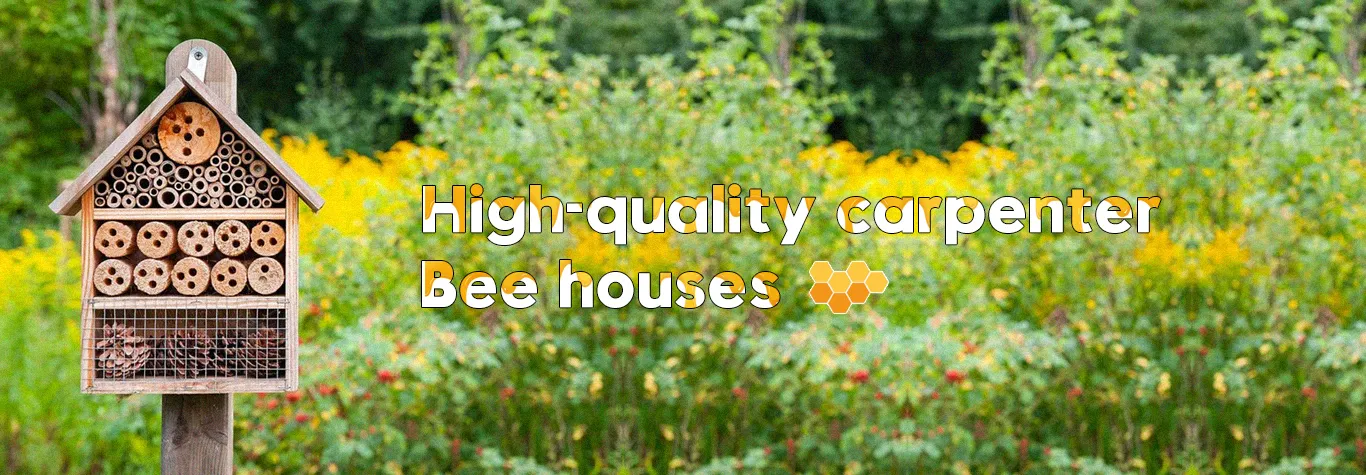
#### Materials Needed:
- Untreated wood (softwood is preferable, such as pine or cedar)
- A drill with a drill bit (3/8 inch works well for carpenter bees)
- Wood screws (optional for securing)
- Sandpaper or a saw (for finishing edges)
- Outdoor wood sealant (optional)
#### Step-by-Step Instructions:
1. **Choose Your Wood:** Select untreated, natural wood that is free from chemicals. Avoid using pressure-treated lumber, as it can be toxic to bees.
2. **Cut the Wood:** Cut the wood into sections. A common size for a carpenter bee house is approximately 8 inches long and 6 inches wide. The thickness can range from 1 to 2 inches, depending on your preference.
3. **Drill Holes:** Using the drill, create holes of about 3/8 inch in diameter. Space the holes vertically about 3 inches apart, and drill about 6 to 10 holes in total. The depth of each hole should be about 5 to 7 inches to give the bees enough space.
4. **Finish the Edges:** Sand any rough edges to ensure no sharp surfaces can harm the bees. A smooth finish is more inviting for the insects.
5. **Seal (Optional):** If you choose to seal the wood, ensure that you use a non-toxic outdoor wood sealant. Allow it to dry completely before placing it outside.
6. **Mount the House:** Find a suitable location for your carpenter bee house. It should be placed in a sunny spot, ideally facing south or east, at least 3 feet above the ground. You can attach it to a tree, wall, or post to keep it safe from rain.
### Maintaining Your Carpenter Bee House
Once your carpenter bee house is up, maintaining it is vital for ensuring its functionality. Here are some tips:
Carpenter Bee House<br style="font-family: 'Microsoft YaHei'; font-size: medium;" />Carpenter Bee Hive<br style="font-family: 'Microsoft YaHei'; font-size: medium;" />Wood Bee Trap<br style="font-family: 'Microsoft YaHei'; font-size: medium;" />Bee Outfit
- **Check for Occupants:** Monitor the house during the spring and summer months. Carpenter bees will begin to inhabit the house as the weather warms up.
- **Clean the House:** At the end of the season, clean out any debris or old nesting materials from the house to prepare it for the next year. This will help prevent disease and pests.
- **Leave Some Wood Untreated:** Consider leaving an area in your yard with untreated, old wood to allow carpenter bees to nest as they naturally would. This encourages them to return to your garden.
### Conclusion
A carpenter bee house is a simple yet effective way to support these crucial pollinators in your garden. By providing a safe nesting space, you’re contributing to the health of local flora and enhancing your gardening efforts. Not only does this project promote biodiversity, but it also deepens your connection to the natural world. Start building your carpenter bee house today and enjoy the benefits of welcoming these unique bees into your outdoor space.
146.71.125.2
carpenterbeehouse
ผู้เยี่ยมชม
carpenterbeehouses@outlook.com