
dfirpere
ผู้เยี่ยมชม
dfiguuur@outlook.com
3d figures (9 อ่าน)
30 ก.ย. 2569 19:22
**Exploring the Fascinating World of 3d figures**
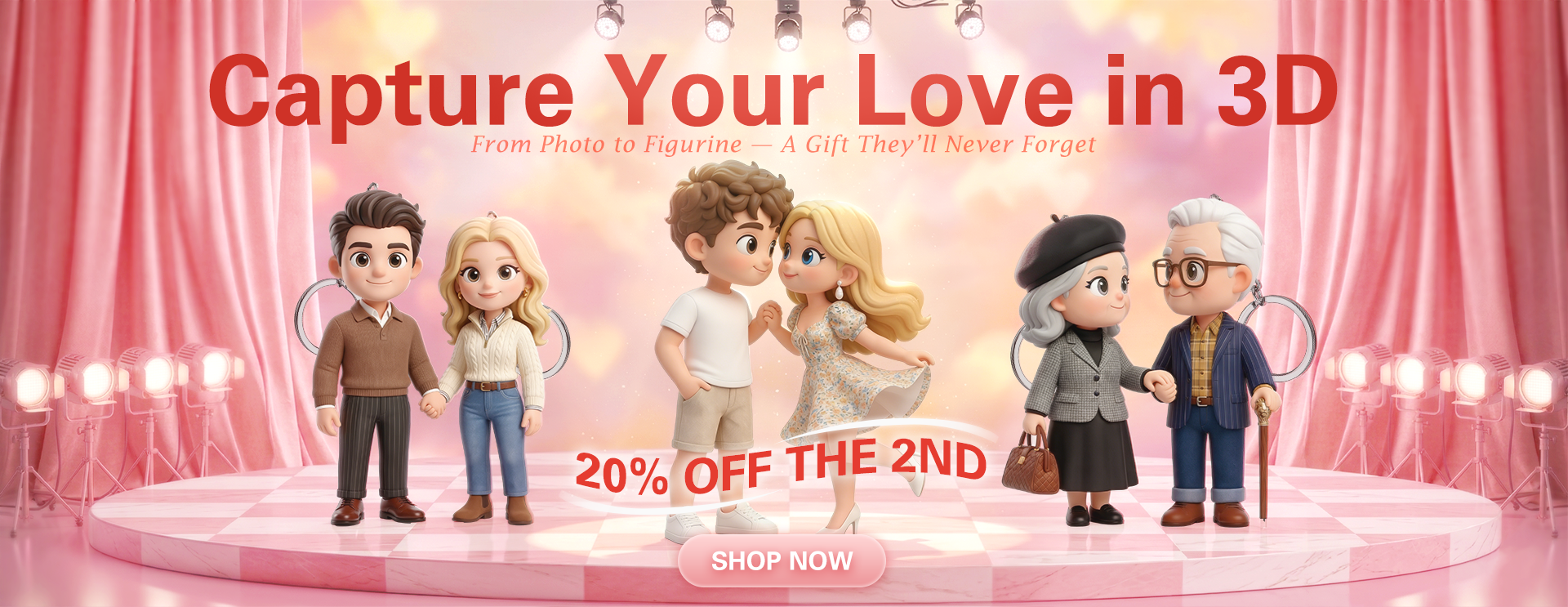
In the realm of geometry and design, 3D figures play a crucial role in enhancing our understanding of spatial relationships and aesthetics. From simple shapes to complex structures, 3D figures are all around us, influencing art, architecture, engineering, and everyday life. In this article, we will delve into the definition, types, and applications of 3D figures, showcasing their significance in various fields.
### What Are 3D Figures?
3D figures, or three-dimensional shapes, are geometric objects that have depth, width, and height. Unlike 2D shapes, which only possess length and width, 3D figures occupy space and can be interacted with from multiple angles. Common examples of 3D figures include cubes, spheres, cylinders, cones, and pyramids. Each of these shapes exhibits unique properties that make them valuable in different contexts.
### Types of 3D Figures
1. **Cubes**: A cube is a six-faced figure where each face is a square of equal dimensions. It’s often used in architecture and design, providing a strong, stable structure.
2. **Spheres**: Spheres are perfectly round3D figures where every point on the surface is equidistant from the center. They are commonly seen in nature, such as in the shape of planets, and are also essential in sports equipment like balls.
3. **Cylinders**: A cylinder consists of two parallel circular bases connected by a curved surface. Cylinders are widely used in manufacturing and engineering, particularly in the design of pipes and storage containers.
4. **Cones**: A cone has a circular base that tapers smoothly to a point called the apex. This shape is prevalent in everyday objects, such as ice cream cones and traffic cones.
5. **Pyramids**: A pyramid features a polygonal base and triangular faces that converge at a single point. This shape is often associated with ancient architecture, such as the famous pyramids of Egypt.
### Applications of 3D Figures
3D figures are not only fundamental to mathematics but also have practical applications across various industries:
- **Architecture**: Architects utilize 3D models to visualize buildings and structures before construction. These models help in understanding spatial relationships and improving design accuracy.
- **Engineering**: Engineers use 3D figures for prototyping and modeling mechanical systems. 3D printing technology allows for creating detailed prototypes from CAD models.
- **Art and Animation**: In the world of art and animation, 3D figures are vital for creating lifelike characters and environments in films, video games, and virtual reality experiences.
- **Education**: Educational tools often incorporate 3D figures to help students grasp complex geometric concepts. Interactive 3D models can enhance learning and retention.
### Conclusion
In conclusion, 3D figures are an essential part of both our natural and designed environments. Their diverse applications span numerous fields, making them integral to technological advancement and creative expression. By understanding the different types and uses of 3D figures, we can better appreciate their importance in our daily lives and the broader world around us. Whether in geometry class, a design studio, or a construction site, 3D figures continue to shape our experiences in profound ways.
61.221.116.28
dfirpere
ผู้เยี่ยมชม
dfiguuur@outlook.com