
shell
ผู้เยี่ยมชม
benducket3211@gmail.com
How Can K-12 Classroom Solutions Create Better Learning Environments for Students? (4 อ่าน)
29 ต.ค. 2569 13:13
K-12 classroom solutions play an important role in improving education by creating effective, engaging, and organized learning environments for students from kindergarten through grade 12. Modern schools are continuously looking for better ways to support teachers, improve student participation, and make classroom activities more productive. With the development of educational technology, schools can now combine traditional teaching methods with digital tools, interactive learning materials, and innovative classroom furniture to create more effective educational spaces.
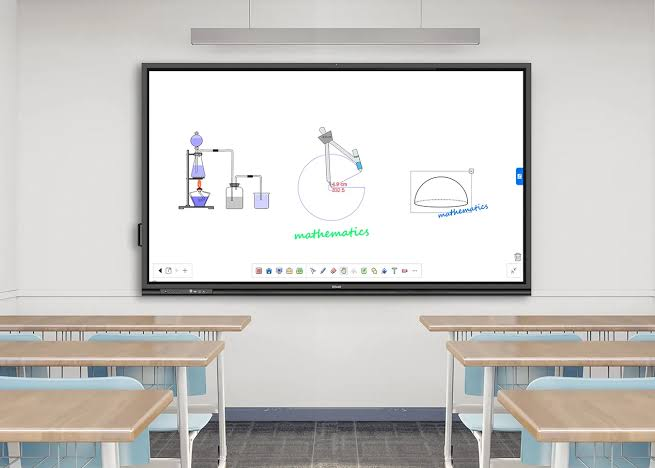
K-12 classroom solutions include a wide range of products, technologies, and teaching strategies designed to meet the needs of students and educators. These solutions may include interactive whiteboards, digital learning platforms, classroom management software, flexible seating arrangements, audio-visual equipment, and collaborative learning tools. When schools choose suitable solutions, they can create classrooms that encourage creativity, improve communication, and support different learning styles.
The demand for modern classroom solutions continues to grow as educational institutions recognize the importance of personalized learning and technology integration. Teachers need reliable resources that simplify lesson delivery, while students benefit from accessible learning materials and interactive educational experiences. By investing in appropriate K-12 classroom solutions, schools can build a strong foundation for academic development and prepare students for future challenges.
Modern Technology and Classroom Learning
Technology has transformed the way teachers present information and interact with students. Modern K-12 classroom solutions help educators introduce digital resources into everyday lessons, making complicated subjects easier to understand. Interactive displays, projectors, educational applications, and online learning platforms allow teachers to present information through images, videos, animations, and real-time demonstrations. These resources can make lessons more interesting and encourage students to participate actively in classroom activities.
Interactive whiteboards are particularly useful in modern educational environments because they allow teachers to explain concepts visually and involve students in practical exercises. For example, a mathematics teacher can demonstrate equations on an interactive display, while students can solve problems directly on the screen. Similarly, science teachers can use educational simulations to explain difficult concepts that might otherwise require expensive equipment or complex demonstrations.
Classroom management software is another valuable part of K-12 classroom solutions. These platforms can help teachers organize assignments, distribute educational materials, monitor student progress, and communicate with parents. Digital classroom tools can also reduce time spent on repetitive administrative tasks, allowing educators to focus more on teaching and supporting individual students.
Reliable connectivity and suitable hardware are essential for successful technology integration. Schools need dependable internet access, compatible devices, secure networks, and technical support to ensure that classroom technology works effectively. Without proper planning, even advanced educational equipment may fail to deliver the expected benefits. Therefore, educational institutions should evaluate their existing infrastructure before selecting new classroom technology.
Digital learning tools should complement traditional teaching rather than completely replace direct interaction between teachers and students. Reading printed materials, writing by hand, participating in discussions, and completing practical activities remain important parts of education. A balanced approach allows schools to combine the advantages of modern technology with established teaching practices, creating a more complete learning experience.
Benefits of K-12 Classroom Solutions for Teachers and Students
Effective K-12 classroom solutions can improve student engagement by making lessons more interactive and accessible. Students often respond positively when they can participate in activities rather than simply listen to lectures. Educational games, group projects, digital quizzes, and interactive presentations can help maintain attention while giving learners opportunities to apply their knowledge.
Another important benefit is personalized learning. Students have different abilities, interests, and learning preferences, which means a single teaching method may not work equally well for everyone. Modern educational platforms can provide resources at different difficulty levels, allowing students to practice challenging subjects at their own pace. Teachers can use assessment results to identify learning gaps and offer additional guidance to students who need support.
Classroom organization also contributes to better educational outcomes. Flexible classroom furniture, suitable lighting, comfortable seating, and accessible learning materials can create a welcoming environment. Schools can arrange furniture to support individual study, group discussions, presentations, and collaborative projects. A well-organized classroom helps students concentrate and makes it easier for teachers to manage daily activities.
K-12 classroom solutions can also support inclusive education. Assistive technologies, screen readers, captions, adjustable learning materials, and accessible digital platforms can help students with different educational needs participate more fully. When schools consider accessibility during the planning process, they can create learning environments that offer greater opportunities for every student.
Communication between teachers, students, and parents is another area that benefits from modern classroom systems. Digital communication platforms can provide updates about assignments, attendance, academic progress, and upcoming activities. Parents can stay informed about their children's education, while teachers can communicate concerns and share achievements more efficiently. Strong communication helps establish a supportive relationship between home and school.
Although these benefits are significant, schools should select classroom solutions according to their actual requirements. Expensive technology does not automatically produce better academic results. Effective implementation depends on teacher training, student support, appropriate content, and regular evaluation. Schools that focus on educational goals rather than simply purchasing the latest equipment are more likely to achieve meaningful improvements.
Choosing the Right K-12 Classroom Solutions
Selecting suitable K-12 classroom solutions requires careful consideration of school requirements, student needs, available resources, and long-term educational objectives. Every educational institution has different priorities. A primary school may focus on interactive learning activities and classroom organization, while a secondary school may require advanced digital platforms, science laboratory resources, and collaborative project tools.
Budget planning is an important part of the selection process. Schools should consider the initial purchase price as well as installation, maintenance, software subscriptions, replacement parts, and staff training. Comparing the total cost of ownership can help administrators identify solutions that provide long-term value without placing unnecessary pressure on educational budgets.
Ease of use should also be a major consideration. Teachers need classroom tools that are simple to operate and compatible with their existing teaching methods. Complicated systems can create frustration, waste valuable lesson time, and discourage educators from using available features. Schools should provide practical training so teachers can understand the technology and apply it confidently in their classrooms.
Data security and student privacy are equally important. Digital learning platforms may collect student names, assessment results, attendance records, and other educational information. Schools should select systems with appropriate security controls, clear privacy policies, and suitable access permissions. Protecting student information helps build trust among parents, teachers, and school administrators.
Another important factor is scalability. A solution that works for one classroom should ideally support future expansion when the school adds more students, teachers, or learning spaces. Cloud-based educational platforms, compatible devices, and flexible classroom systems can make expansion easier when they are selected carefully.
Schools should also evaluate the effectiveness of their chosen solutions after implementation. Teacher feedback, student participation, academic performance, technical reliability, and classroom efficiency can help administrators understand whether an investment is delivering the intended results. Regular evaluation allows schools to make improvements and adjust their strategies as educational requirements change.
Conclusion: Building Better Classrooms With K-12 Classroom Solutions
K-12 classroom solutions are essential for creating modern learning environments that support students, empower teachers, and improve the overall educational experience. From interactive displays and digital learning platforms to flexible classroom furniture and accessible educational resources, these solutions offer practical ways to make teaching more engaging, organized, and effective.
The most successful classrooms combine technology, thoughtful design, effective teaching strategies, and strong communication. Schools that choose solutions according to their educational objectives can improve student participation, support personalized learning, encourage collaboration, and create more inclusive learning opportunities.
43.242.176.100
shell
ผู้เยี่ยมชม
benducket3211@gmail.com